
Book Your Consultation
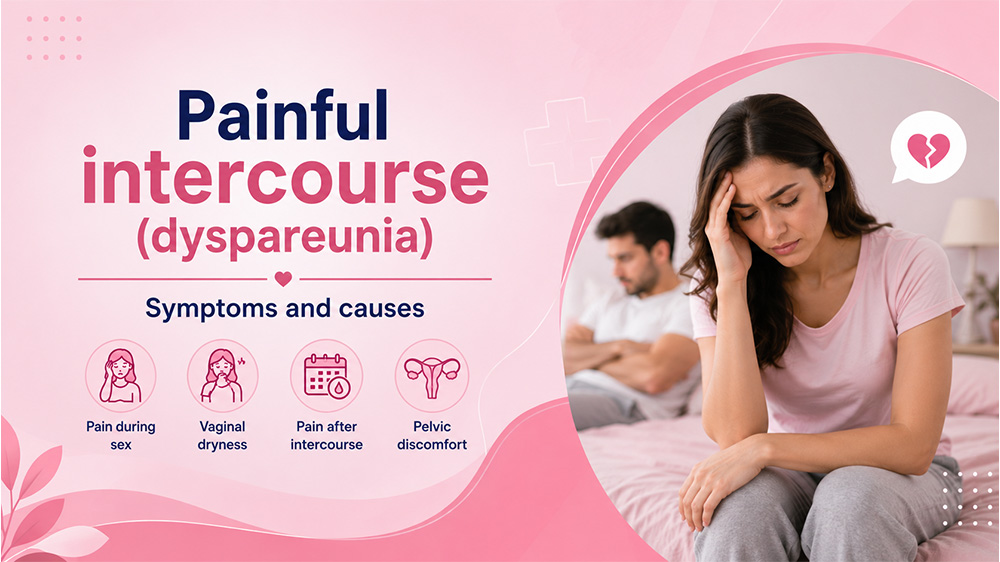
Painful Intercourse (Dyspareunia): Symptoms and Causes
Sex should be a comfortable and enjoyable experience, not one that causes pain or discomfort. However, many women experience pain during sex at some point in their lives. While occasional discomfort may not always be a cause for concern, persistent or recurring pain during intercourse should never be ignored, as it can affect both physical health and emotional well-being.
Painful intercourse, also known as dyspareunia, refers to ongoing or recurring pain before, during, or after sexual activity. The discomfort may feel like a burning, stinging, or sharp pain during penetration, or a deep aching sensation in the pelvis during or after intercourse. The causes can vary widely and may include vaginal dryness, infections, hormonal changes, pelvic conditions, skin disorders, or emotional factors such as stress and anxiety.
If you've ever found yourself asking, "Why does sex hurt?" or experiencing pain during intercourse repeatedly, it's important to understand that you're not alone and that effective treatments are available. In this blog, we'll explore the common symptoms of painful intercourse (dyspareunia), its possible causes, and the treatment options that can help improve your comfort and quality of life.
What Is Dyspareunia?
Dyspareunia is defined as chronic or frequent pain during or after sexual intercourse. This pain may be at the vaginal opening, deep in the pelvis, or both.
Men and women may both experience painful intercourse; however, it is more common among women. Depending on the causes, discomfort may be mild, severe, or of a long or short duration.
Symptoms of Painful Intercourse
Symptoms associated with painful sexual intercourse are highly variable from one individual to another and can be any of the following:
- Pain during penetration
- Deep pain in the pelvis when thrusting occurs
- Stinging or burning sensation
- Acute or throbbing pain
- Persistence of pain after sexual intercourse
- Dry vagina
- Pelvic muscle tightening or spasms
- Anxiety about sex
Recurring occurrence of the above symptoms calls for medical investigation.
Why Does It Hurt When I Have Sex? Common Causes
Painful sex can have numerous causes and it is important to determine what is causing the pain so that it can be properly treated.
1. Vaginal Dryness
Take the First Step Towards Better Women's Health Today
Vaginal dryness is among the most prevalent causes of painful sex.
Causes include:
- Menopause
- Breastfeeding
- Hormone changes
- Some medications
- Arousal insufficiency
Lubricants can help, although vaginal dryness needs to be diagnosed by a physician.
2. Vaginal or Pelvic Infections
Infections cause irritation and pain in the vagina during sex.
Causes include:
- Pelvic inflammatory disease
- Yeast infection
- Urinary tract infection
- Sexually transmitted infection
Such conditions need proper treatment to alleviate the symptoms.
3. Endometriosis
Endometriosis happens when the tissue that resembles the lining of the uterus develops outside the uterus. Many women have painful periods and experience pelvic pain that can be described as deep.
Painful pelvic symptoms during intercourse can also be experienced. Symptoms of endometriosis and fertility preservation will be addressed as early as possible if diagnosed or treated as soon as possible.
4. Pelvic Floor Muscle Dysfunction
Urinary issues and bowel dysfunction can be caused by the pelvic floor muscles and supporting the uterus. Intercourse can be painful if these muscles are also in spasm. As a treatment option, pelvic floor physiotherapy is also a beneficial choice.
5. Ovarian Cysts or Fibroids
Large ovarian cysts or fibroid tumors can put pressure on the pelvic area and cause discomfort, particularly with deep penetration.
Other symptoms could be:
- Pelvic pain
- Menstrual blood flow
- Frequent urination
- Bloating
The gynecologist will suggest some diagnostic tests like ultrasound.
6. Skin or Vaginal Conditions
Take the First Step Towards Better Women's Health Today
Some skin conditions that affect the vulva and vagina may result in pain during sexual intercourse.
They include:
- Vulvodynia
- Lichen sclerosus
- Allergies
- Irritation of the vagina from soaps or hygiene products
It is necessary to diagnose correctly since treatment depends on the particular disease.
7. Emotional and Psychological Factors
Stress, anxiety, fear of pain, relationship difficulties, or previous traumatic experiences can also contribute to painful sex.
Emotional well-being plays an important role in sexual health, and addressing psychological factors is often an important part of treatment.
When Should You See a Gynecologist?
You should consult a gynecologist if you experience:
- Abnormal vaginal discharge
- Persistent pain during sex
- Vaginal bleeding after intercourse
- Ongoing pelvic pain
- Fever along with pelvic discomfort
- Pain that affects your relationship or quality of life
Ignoring persistent symptoms can delay diagnosis and treatment. Early evaluation can help identify the underlying cause and prevent complications.
If you're experiencing painful intercourse or other gynecological concerns, consult Dr. Deepika, the Best Gynecologist in Jaipur, for expert evaluation and personalized care. Her patient-focused approach helps women find effective solutions for a wide range of reproductive and sexual health concerns.
How Is Dyspareunia Diagnosed?
To find out what is causing pain in females while having sex, your doctor may suggest:
- Medical history
- Symptom discussion
- Pelvic exam
- Swab test to check for infection
- Pelvic ultrasound if required
- Other tests if required
This will help in diagnosing the problem and planning treatment accordingly.
Treatment for Painful Intercourse
Take the First Step Towards Better Women's Health Today
The treatment of your condition will depend on the cause of your symptoms.
The treatment may involve:
- Counseling/sex therapy if emotional factors are involved
- Medications for infections
- Hormone replacement therapy for menopausal dry vagina
- Pelvic floor physiotherapy
- Management of endometriosis and/or fibroids
- Use of water-soluble lubricants during sexual intercourse
Most women have experienced substantial relief once the cause was addressed.
Can Painful Sex Be Prevented?
While prevention is impossible for some causes, these healthy tips will help decrease the chances of it occurring:
- Engage in safe sexual practices
- Attend to any infections immediately
- Ensure proper lubrication in case of vaginal dryness
- Stay away from perfumed hygiene products which could irritate
- Visit your gynecologist regularly
See your doctor about recurring pain in the pelvis or irregular menstruation.
Conclusion
Sex can become frustrating and painful. It's important to remember that painful sex or dyspareunia is a diagnosed medical condition and many proven treatment methods exist.
If you are wondering, “What’s causing the pain during sex?” or you are simply asking, “Why does sex hurt?” you must first understand that diagnosing the cause requires interpreting the condition. You must not ignore the pain and you must not consider it to be a condition that must be lived with.
You must consult Dr. Deepika, one of the top gynecologists practicing in Jaipur, right away to receive a considerate evaluation, designed treatment plans, and of course, for the pleasant improvement of your condition.
Frequently Asked Questions
1. Is painful intercourse normal?
Occasional discomfort during sex can happen, but persistent or recurring pain is not considered normal. If pain continues before, during, or after intercourse, it is important to consult a gynecologist to identify the underlying cause.
2. What are the most common causes of painful intercourse?
Common causes of painful intercourse include vaginal dryness, infections, endometriosis, pelvic floor muscle dysfunction, ovarian cysts, fibroids, hormonal changes, and emotional factors such as stress or anxiety.
3. Can vaginal dryness cause pain during sex?
Yes. Vaginal dryness is one of the most common causes of pain during intercourse. It may occur due to menopause, breastfeeding, hormonal changes, certain medications, or inadequate arousal.
4. When should I see a doctor for pain during sex?
You should see a doctor if you experience persistent pain during intercourse, vaginal bleeding after sex, abnormal discharge, pelvic pain, fever, or symptoms that affect your relationship or quality of life.
5. Can painful intercourse be treated?
Yes. Treatment depends on the underlying cause and may include medications, lubricants, hormone therapy, pelvic floor physiotherapy, treatment of infections, or management of conditions such as endometriosis or fibroids. Many women experience significant improvement once the cause is identified and treated.


