
Book Your Consultation
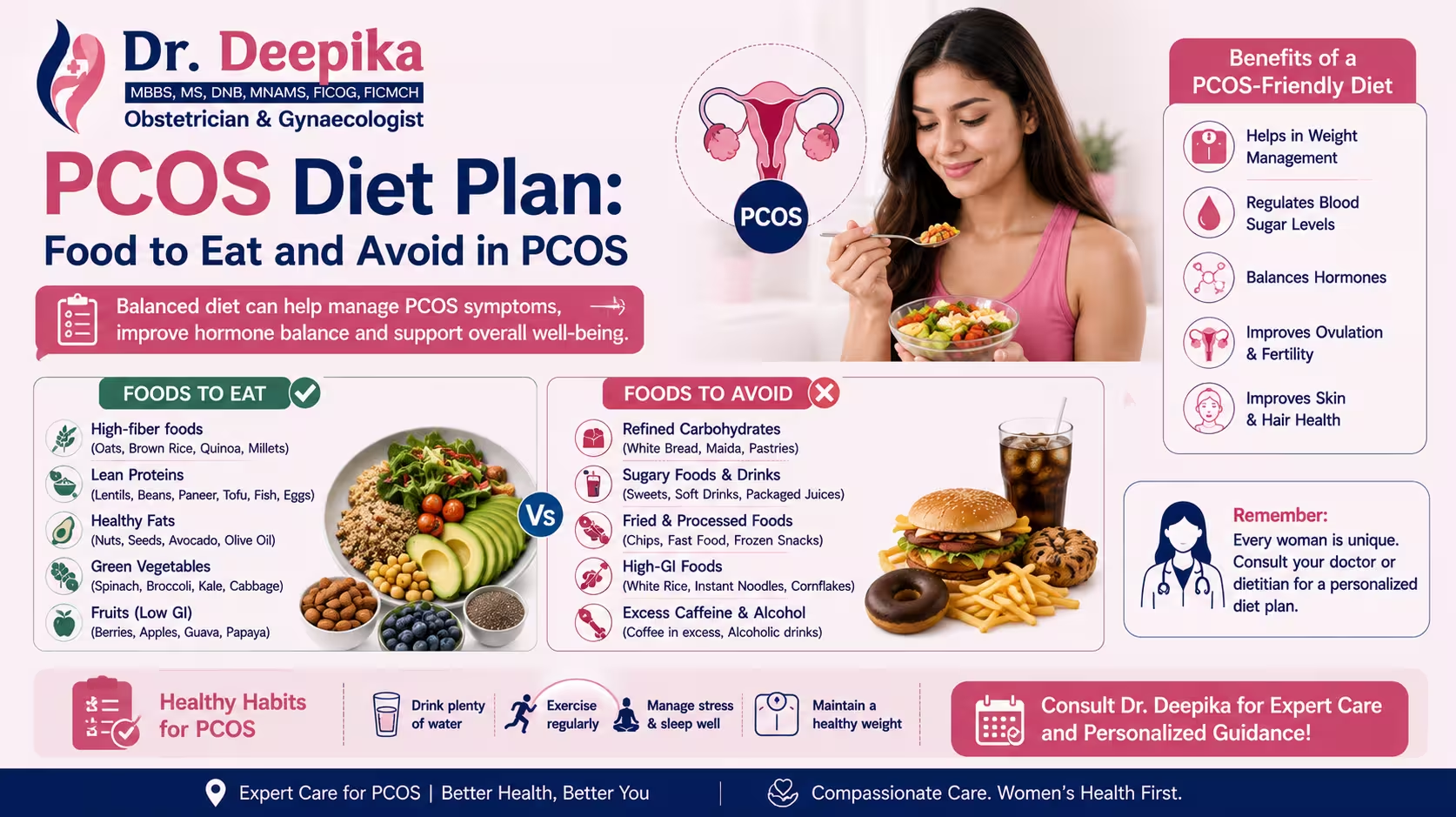
PCOS Diet Plan: Food to Eat and Avoid in PCOS
A Polycystic Ovary Syndrome (PCOS) diet focuses on whole, unprocessed foods that stabilize blood sugar, control insulin resistance, and reduce inflammation. Key components include high-fiber vegetables, lean proteins, and healthy anti-inflammatory fats, while avoiding sugary items, refined carbohydrates, and fried fast foods
What Is PCOS?
PCOS stands for Polycystic Ovary Syndrome.
It is a common hormonal and metabolic condition that can affect women during their reproductive years.
PCOS may be associated with:
- Irregular periods
- Irregular or absent ovulation
- Acne
- Excess facial or body hair
- Weight changes
- Difficulty getting pregnant
- Insulin resistance
- Higher risk of certain metabolic problems
Not every woman with PCOS has the same symptoms.
Some women may have PCOS even if they are not overweight, while others may experience weight gain or difficulty losing weight.
This is why PCOS treatment should be personalized rather than based only on body weight.
Why Is Diet Important in PCOS?
PCOS can affect the way the body handles insulin and blood sugar in some women.
A balanced diet can help support:
- Healthy blood sugar levels
- Healthy body weight
- Heart health
- Energy levels
- Overall metabolic health
For women who need to lose weight, even modest weight loss may help improve some PCOS-related symptoms. However, weight loss should not be the only goal of PCOS treatment. Healthy habits are important for women with PCOS at every body size.
PCOS Diet Plan: Foods to Eat
1. Eat More Vegetables
Take the First Step Towards Better Women's Health Today
Vegetables are an important part of a PCOS-friendly diet.
Choose a variety of vegetables such as:
- Spinach
- Broccoli
- Cauliflower
- Carrot
- Beans
- Capsicum
- Cucumber
- Tomato
- Bottle gourd
- Pumpkin
- Ladyfinger
- Cabbage
- Peas
Try to include vegetables in both lunch and dinner.
A simple approach is to fill a good portion of your plate with vegetables.
2. Choose Whole Grains
Whole grains contain more fiber than highly refined grains.
Good choices include:
- Oats
- Brown rice
- Whole wheat
- Barley
- Millets
- Quinoa
- Whole-grain bread
You do not have to completely stop eating rice or roti if you have PCOS.
Instead, focus on portion size and the overall balance of your meal.
For example, pair roti or rice with vegetables, dal and a protein source rather than eating a large portion of carbohydrates alone.
3. Include Protein in Every Meal
Protein can help make meals more filling and supports overall health.
Good protein choices include:
Vegetarian Options
- Dal
- Rajma
- Chana
- Moong
- Soy
- Tofu
- Paneer
- Curd
- Greek yogurt
Non-Vegetarian Options
- Eggs
- Chicken
- Fish
- Other lean sources of protein
Try to include some protein at breakfast instead of having only a carbohydrate-heavy meal.
4. Eat Fruits in Moderation
You do not need to stop eating fruit because you have PCOS.
Whole fruits provide fiber, vitamins, minerals and other nutrients.
Good options include:
- Apple
- Orange
- Guava
- Pear
- Papaya
- Berries
- Kiwi
- Pomegranate
Whole fruit is generally a better choice than fruit juice because whole fruit contains fiber.
Instead of drinking a glass of fruit juice, choose a whole fruit.
5. Include Healthy Fats
Take the First Step Towards Better Women's Health Today
Healthy fats can be part of a balanced PCOS diet.
Good options include:
- Walnuts
- Almonds
- Flaxseeds
- Chia seeds
- Pumpkin seeds
- Sunflower seeds
- Peanuts
- Avocado
- Olive oil
Remember that healthy fats are still calorie-dense, so portion size matters.
6. Choose Low-Sugar Dairy Products
Milk, curd and yogurt can be included in a healthy PCOS diet if you tolerate dairy.
Good choices include:
- Plain curd
- Unsweetened yogurt
- Milk
- Greek yogurt
Try to avoid versions with large amounts of added sugar.
7. Choose High-Fiber Foods
Fiber is an important part of a balanced diet.
Good sources include:
- Vegetables
- Fruits
- Beans
- Lentils
- Chickpeas
- Oats
- Whole grains
- Nuts
- Seeds
Instead of trying to follow a complicated diet, simply increasing the variety of whole, minimally processed foods can be a useful starting point.
Foods to Limit or Avoid in PCOS
There is no universal list of foods that every woman with PCOS must completely avoid.
However, some foods are better limited because they are often high in added sugar, refined carbohydrates, unhealthy fats or calories.
1. Sugary Drinks
Take the First Step Towards Better Women's Health Today
Try to limit:
- Soft drinks
- Sweetened packaged juices
- Energy drinks
- Sweetened iced tea
- Sugary coffee drinks
- Other drinks with added sugar
These can add a large amount of sugar without making you feel full.
Choose water, unsweetened beverages or other lower-sugar options more often.
2. Sweets and Desserts
Foods such as:
- Cakes
- Pastries
- Cookies
- Donuts
- Ice cream
- Mithai
- Chocolate desserts
can be enjoyed occasionally, but frequent intake of high-sugar foods may make it harder to maintain a balanced diet.
You do not need to completely remove every sweet food from your life.
The goal is balance and moderation.
3. Refined Carbohydrates
Try to reduce your intake of highly refined carbohydrate foods such as:
- Maida-based foods
- White bread
- Many packaged snacks
- Sugary cereals
- Biscuits
- Cakes and pastries
Instead, choose whole grains and higher-fiber options more often.
4. Deep-Fried Foods
Limit foods such as:
- French fries
- Pakoras
- Samosas
- Fried chips
- Fried fast food
- Other heavily fried snacks
Having them occasionally is different from eating them regularly.
For everyday meals, choose foods that are grilled, baked, steamed, boiled or lightly cooked more often.
5. Highly Processed Foods
Take the First Step Towards Better Women's Health Today
Highly processed foods can be high in sugar, salt, refined carbohydrates and unhealthy fats.
Examples include:
- Packaged snacks
- Instant noodles
- Processed meats
- Sugary breakfast cereals
- Packaged desserts
- Fast food
You do not need to completely avoid every packaged food, but try to make minimally processed foods the foundation of your diet.
Simple Indian PCOS Diet Plan
A PCOS diet does not need to be expensive or complicated.
Here is an example of a simple Indian meal plan.
Early Morning
Choose one:
- Water
- Unsweetened tea
- Unsweetened green tea
You do not need a special detox drink to manage PCOS.
Breakfast
Choose one:
- Vegetable oats + boiled egg
- Vegetable poha + curd
- Moong dal chilla + curd
- Vegetable upma + a protein source
- 2 eggs + whole wheat toast + vegetables
- Besan chilla + curd
Try to include protein + fiber in breakfast.
Mid-Morning
Take the First Step Towards Better Women's Health Today
Choose one:
- One whole fruit
- A small handful of nuts
- Plain curd
Lunch
A balanced lunch could include:
- 1–2 whole wheat rotis OR a moderate serving of brown rice
- Dal or another protein source
- Cooked vegetables
- Salad
- Plain curd
The exact portion should depend on your individual energy needs.
Evening Snack
Choose one:
- Roasted chana
- Fruit
- Nuts
- Sprouts
- Unsweetened tea with a healthy snack
Try to avoid making biscuits, chips or sweets your everyday evening snack.
Dinner
Keep dinner balanced and comfortable rather than extremely restrictive.
For example:
- Roti + vegetables + dal
- Grilled chicken + vegetables + roti
- Fish + vegetables + small portion of rice
- Tofu or paneer + vegetables
- Dal + vegetables + roti
Before Bed
Take the First Step Towards Better Women's Health Today
You do not need a compulsory bedtime snack.
If you are hungry, you can discuss suitable options with your dietitian or doctor based on your overall diet and health needs.
A Simple 7-Day PCOS Meal Plan
Day 1
Breakfast: Moong dal chilla + curdLunch: Roti + dal + mixed vegetables + saladSnack: Apple + handful of nutsDinner: Paneer/tofu + vegetables + roti
Day 2
Breakfast: Vegetable oats + boiled eggLunch: Brown rice + rajma + saladSnack: Roasted chanaDinner: Roti + chicken/fish + vegetables
Day 3
Take the First Step Towards Better Women's Health Today
Breakfast: Vegetable poha + curdLunch: Roti + chana dal + vegetablesSnack: GuavaDinner: Vegetable soup + paneer/tofu + roti
Day 4
Breakfast: Besan chilla + curdLunch: Roti + rajma + vegetables + saladSnack: Nuts + fruitDinner: Grilled fish/chicken + vegetables
Day 5
Breakfast: Eggs + whole wheat toast + vegetablesLunch: Roti + dal + sabzi + curdSnack: SproutsDinner: Tofu/paneer + vegetables + roti
Day 6
Breakfast: Vegetable upma + curdLunch: Brown rice + dal + vegetablesSnack: Orange or guavaDinner: Chicken/fish or vegetarian protein + vegetables + roti
Day 7
Take the First Step Towards Better Women's Health Today
Breakfast: Moong dal chilla + vegetablesLunch: Roti + dal + sabzi + salad + curdSnack: Fruit + nutsDinner: Light vegetable and protein-based meal
This is an example, not a personalized medical diet plan. Your calorie, protein and carbohydrate needs may be different.
Is Rice Bad for PCOS?
No. Rice does not need to be completely avoided if you have PCOS.
The important factors are:
- Portion size
- Overall meal composition
- Type of rice
- How often you eat it
- Your individual health needs
Instead of eating a large plate of rice alone, combine a moderate portion with vegetables, dal, protein and salad.
Can You Eat Roti If You Have PCOS?
Yes.
Whole wheat roti can be part of a balanced PCOS diet.
You can make your meal more balanced by eating roti with:
- Dal
- Vegetables
- Paneer
- Curd
- Eggs
- Chicken
- Fish
The goal is not to eliminate carbohydrates but to choose better-quality carbohydrate sources and appropriate portions.
Can You Eat Potatoes in PCOS?
Potatoes do not automatically need to be eliminated.
The way they are prepared and the portion size matter.
Boiled or lightly cooked potatoes can fit into a balanced diet.
Try to avoid making deep-fried potato foods a regular part of your diet.
Can Women With PCOS Eat Fruit?
Take the First Step Towards Better Women's Health Today
Yes.
Whole fruits can be part of a healthy PCOS diet.
You do not need to stop eating fruit because it contains natural sugar.
Choose whole fruit instead of juice and include a variety of fruits in your diet.
Can You Eat Dairy With PCOS?
For most women, dairy does not automatically need to be avoided.
Milk, plain curd and unsweetened yogurt can provide protein and other nutrients.
If dairy causes digestive symptoms or you have an allergy or intolerance, discuss suitable alternatives with your healthcare professional.
Is a Low-Carb Diet Necessary for PCOS?
Not necessarily.
Some women may benefit from reducing highly refined carbohydrates and added sugars, but a very low-carbohydrate diet is not required for everyone with PCOS.
The international PCOS guideline emphasizes sustainable healthy eating and notes that no single dietary approach has been shown to be universally superior.
A diet that you can follow consistently is often more useful than a highly restrictive plan that is difficult to maintain.
Is Intermittent Fasting Good for PCOS?
Intermittent fasting is popular, but it is not a mandatory treatment for PCOS.
Some people may find a structured eating schedule useful, while others may find it difficult or unsuitable.
If you are pregnant, breastfeeding, underweight, have a history of an eating disorder, or take medicines that affect blood sugar, speak with your healthcare professional before trying fasting.
Can Diet Cure PCOS?
No diet can cure PCOS.
PCOS is a long-term hormonal and metabolic condition.
However, healthy eating, physical activity and appropriate medical treatment can help manage symptoms and reduce health risks.
Treatment may depend on your goals, such as:
- Making periods more regular
- Managing acne or excess hair
- Improving metabolic health
- Managing weight
- Planning a pregnancy
PCOS treatment should therefore be personalized.
Exercise and PCOS Diet: Why Both Matter
Take the First Step Towards Better Women's Health Today
Diet works best as part of an overall healthy lifestyle.
Regular physical activity can support:
- Fitness
- Metabolic health
- Mood
- Sleep
- Weight management when needed
You can choose activities you enjoy, such as:
- Walking
- Cycling
- Swimming
- Yoga
- Strength training
- Dancing
You do not need to follow an extreme workout routine.
The most important thing is to stay active consistently.
How Much Water Should You Drink With PCOS?
There is no special amount of water that treats PCOS.
Drink enough water to stay hydrated, with your needs depending on factors such as weather, activity level, diet and medical conditions.
Water is generally a better everyday choice than sugary drinks.
Common PCOS Diet Mistakes to Avoid
Skipping Meals
Skipping meals may make it harder to maintain a balanced eating pattern and can lead to overeating later.
Following Extreme Diets
Take the First Step Towards Better Women's Health Today
Very restrictive diets can be difficult to maintain and may not provide all the nutrients your body needs.
Completely Avoiding Carbohydrates
Carbohydrates are not automatically bad.
Instead, focus on whole grains, vegetables, legumes and appropriate portions.
Depending on Supplements
Supplements are not a replacement for a balanced diet or proper PCOS treatment.
Do not start multiple supplements without discussing them with your doctor.
Focusing Only on Weight Loss
PCOS can affect women of all body sizes.
A healthy lifestyle can be valuable even when weight loss is not the goal.
Does PCOS Diet Help With Pregnancy?
Take the First Step Towards Better Women's Health Today
A healthy lifestyle can support overall reproductive and metabolic health, but diet alone does not guarantee pregnancy.
PCOS can cause irregular ovulation, which may make conception more difficult for some women. Fortunately, treatments are available to help women with PCOS ovulate and become pregnant.
If you are trying to conceive and your periods are irregular, speak with a gynecologist rather than waiting for diet changes alone to solve the problem.
When Should You See a Gynecologist for PCOS?
Consider seeing a gynecologist if you have:
- Very irregular periods
- Periods that are frequently missed
- Excess facial or body hair
- Persistent acne
- Unexplained weight changes
- Difficulty becoming pregnant
- Symptoms of high blood sugar
- Concerns about PCOS
A doctor can assess your symptoms and decide whether tests are needed.
PCOS Diet Guidance in Jaipur
If you have PCOS, there is no need to follow a complicated or highly restrictive diet.
Dr. Deepika, Best Gynecologist in Jaipur, provides care for women with PCOS, menstrual irregularities, pregnancy planning, fertility concerns and other gynecological conditions.
Your PCOS management plan may include lifestyle advice, medical treatment and fertility guidance depending on your symptoms and goals.
If you are trying to become pregnant, have irregular periods or are struggling with PCOS symptoms, a personalized consultation can help identify the right approach for you.
Myths and Facts About PCOS Diet
Myth: Women with PCOS should never eat rice.
Fact: Rice can be part of a balanced diet. Portion size and the overall meal are more important than completely eliminating rice.
Myth: Fruit should be avoided because it contains sugar.
Fact: Whole fruit can be part of a healthy PCOS diet. Whole fruit is generally preferable to fruit juice.
Myth: You must follow a keto diet if you have PCOS.
Fact: There is no single diet that is recommended for every woman with PCOS. Sustainable healthy eating is more important.
Myth: Losing weight is the only way to manage PCOS.
Fact: PCOS management includes menstrual health, metabolic health, symptoms, fertility and overall well-being—not just weight.
Myth: PCOS can be cured by diet alone.
Fact: Diet can support PCOS management, but PCOS is a long-term condition that may require medical care.
Frequently Asked Questions (FAQs)
Take the First Step Towards Better Women's Health Today
What is the best diet for PCOS?
There is no single best diet for everyone with PCOS. A balanced diet rich in vegetables, fruits, whole grains, pulses, protein, healthy fats and minimally processed foods is a good foundation.
Which foods should be avoided in PCOS?
Try to limit sugary drinks, sweets, highly refined carbohydrates, deep-fried foods and highly processed foods. You do not necessarily need to completely eliminate individual foods.
Can I eat rice if I have PCOS?
Yes. Rice can be included in a balanced PCOS diet. Choose a reasonable portion and combine it with vegetables, protein and other nutrient-rich foods.
Can I eat roti with PCOS?
Take the First Step Towards Better Women's Health Today
Yes. Whole wheat roti can be part of a balanced meal. Pair it with dal, vegetables, curd, paneer, eggs, chicken or fish.
Which fruits are good for PCOS?
Whole fruits such as apples, oranges, guava, pears, papaya, berries and pomegranate can be included in a balanced diet.
Is sugar completely forbidden in PCOS?
No food needs to be completely forbidden for everyone. However, foods and drinks high in added sugar are best limited.
Is milk good for PCOS?
Milk and unsweetened dairy products can be included if you tolerate them. If you have an allergy or intolerance, discuss alternatives with your healthcare professional.
Can PCOS go away with diet?
Take the First Step Towards Better Women's Health Today
Diet cannot cure PCOS, but healthy eating and lifestyle changes can help manage symptoms and support overall health.
Can a PCOS diet help with irregular periods?
A healthy lifestyle can support metabolic and reproductive health, but irregular periods may need medical evaluation and treatment, especially if they are frequent or prolonged.
Can I get pregnant if I have PCOS?
Yes. Many women with PCOS become pregnant. PCOS can cause irregular ovulation, but treatments are available to help with ovulation and conception when needed.
Our Treatments
- Maternity Care
- High Risk Pregnancy
- PCOS Treatment
- Infertility Treatment
- Menstrual Problems Treatment
- Menopause Problems Treatment
Other Blogs
Take the First Step Towards Better Women's Health Today
- बिना पीरियड के ब्लीडिंग होना
- 1 महीने से पीरियड नहीं आया तो क्या करें?
- क्या Fallopian Tube Block होने से Pregnancy नहीं होती?
- बांझपन के शुरुआती लक्षण क्या हैं?
- Period Cramps कैसे कम करें?
- पीरियड्स में ज्यादा दर्द क्यों होता है?
- व्हाइट डिस्चार्ज कब और क्यों होता है?
Conclusion
A PCOS diet does not have to be complicated.
Instead of following a strict diet or completely removing carbohydrates, focus on simple and sustainable habits:
- Eat more vegetables.
- Choose whole grains more often.
- Include protein in your meals.
- Eat whole fruits.
- Choose healthy fats.
- Limit sugary drinks and highly processed foods.
- Reduce frequent deep-fried foods.
- Stay physically active.
- Get enough sleep.
Most importantly, remember that there is no single PCOS diet that works for every woman. The best plan is one that fits your health, food preferences, lifestyle and treatment goals. Current international guidance supports healthy lifestyle management but does not identify one specific dietary pattern as universally superior.
If you have irregular periods, difficulty becoming pregnant or other PCOS symptoms, consult a gynecologist for personalized advice instead of relying only on diet.


