
Book Your Consultation
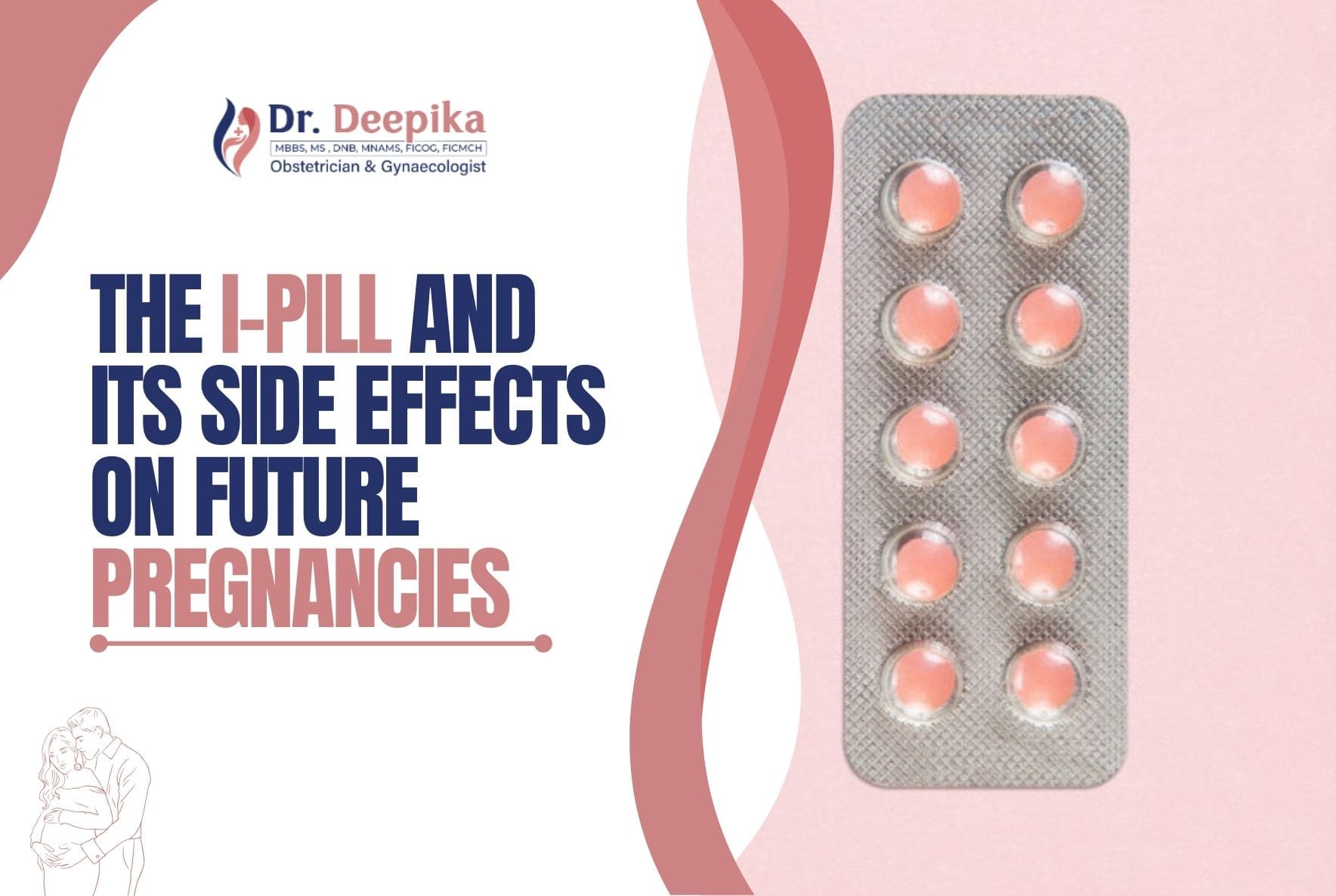
The I-Pill and Its Side Effects on Future Pregnancies
The I-Pill does not cause infertility or have lasting negative side effects on future pregnancies. It is an emergency contraceptive containing a high dose of levonorgestrel that delays ovulation. Once the current cycle ends, a woman's natural hormonal balance and full fertility return completely.
What Is the I-Pill and When Should It Be Used?
I-Pill is an emergency contraceptive that is a tablet formulation consisting of a progesterone-like synthetic hormone. I-Pill is used for preventing pregnancy following unprotected sexual intercourse or failure of a progesterone contraceptive pill.
When women look for what is i pill, it is essential to remember that it is only meant for emergency purposes and never as a form of family planning.
Such conditions for which the use of I-Pill might be suggested include broken condoms, missed oral pills, or unprotected intercourse. The use of I-Pill on most occasions instead of normal methods of contraception might cause hormonal imbalances.
How Does the I-Pill Work in the Body?
The I-Pill mainly works by suppressing or postponing ovulation. If the process of ovulation is not occurring, there would be a lack of eggs for fertilization, hence preventing conception. Also, for some users, it might slow down the speed of the sperm or the conditions within the uterus, hence preventing fertilization.
However, one must observe that I-Pill does not bring about abortion if there is an existing pregnancy; in other words, it does not function in cases of implantation. That provision, though, is irrelevant to abortion medication.
For How Long Does the I-Pill Remain Effective?
Highest effectiveness if used within 24 hours
Up to 72 hours after unprotected sexual intercourse
A decrease in efficacy with time
Early use is highly beneficial in terms of success rate
In fact, this answer leads to the widespread search question “i-pill works for how many days.”
Common Side Effects of the I-Pill
Take the First Step Towards Better Women's Health Today
As with any hormonal therapy, ipill may cause some women to suffer from short-term side effects. These side effects are generally mild and short-lived which consist of nausea, vomiting, headache, dizziness, tiredness, breast tenderness, or slight lower abdominal cramps.
Menstrual alterations such as postponed periods, precocious bleeding, or spotting are frequently noticed after consuming the I-Pill and generally self-resolve without any medical intervention.
Does the I-Pill Affect Future Pregnancy?
Side effects of using i-pill during future pregnancies have been a major point of concern. As far as a medical point of issue is concerned, using I-Pill occasionally will have no effect on future fertility. It doesn’t harm the ovaries, uterus, or eggs. It doesn’t affect one’s ability to conceive.
Women who have taken an I-Pill can attain normal ovulation in their future cycles and then proceed to have a healthy pregnancy. There is no scientific basis supporting that the emergency contraceptive pill leads to infertility or complications in pregnancies in the future.
Health Concerns with Repeated I-Pill Use
Although the I-Pill is safe for emergency use, repeated intake can interfere with the body’s natural hormonal rhythm. Frequent use may result in:
Irregular menstrual cycles
Unpredictable bleeding patterns
Delayed ovulation
Increased anxiety due to frequent period delays
For this reason, the I-Pill should never replace regular contraceptive methods.
Age Considerations and Safety
Emergency contraception should always be used responsibly, especially when age and hormonal maturity are considered.
There is no officially defined i-pill tablet use age limit
Generally recommended for adult women
Adolescents should use emergency contraception under medical supervision
Proper counselling is important to understand regular contraceptive options
Guidance helps prevent misuse and hormonal disturbances
When Is Medical Consultation Necessary?
Take the First Step Towards Better Women's Health Today
Although the I-Pill is safe for emergency purposes, some symptoms need not be overlooked.
Menstrual Period Delayed Past 7-10 Days
Abdominal Pain - severe or prolonged in lower abdomen
Heavy or prolonged or unusual bleeding
Frequent or recurring demand for emergency contraception
Anxiety or uncertainty regarding a possible pregnancy
It assists in ruling out pregnancy and dealing with hormonal imbalance.
Choosing the Right Long-Term Contraceptive Method
Emergency contraception is not for routine use, and long-term planning is necessary in terms of reproductive health.
Oral contraceptive pills for control of regular cycle
IUCDs for long-acting, reversible contraception
Barrier methods of contraception and the prevention of STIs
Choice is based on health condition, lifestyle, and future pregnancy plans
Selection should always be guided by a qualified gynecologist.
Expert Opinion by Dr. Deepika - Gynecologist
Professional counseling ensures safe choices of contraception, protects hormonal balance, and maintains long-term reproductive health. Accurate medical advice helps dispel myths and reduce unnecessary fear related to emergency contraception.
Conclusion
The I-Pill is a very effective and safe emergency contraceptive if used appropriately and infrequently without compromising future fertility or pregnancy. A clear understanding of its mechanism of action, its limitations, and potential side effects is necessary in order not to be misused and cause unnecessary anxiety.
When women are given proper guidance and thus practice responsible family planning by using contraceptive measures, their reproductive health can be ensured.
For specific advice on contraception, menstrual problems or fertility planning, Consulting Dr. Deepika, the best gynecologist in Jaipur, is the source to seek assurance and appropriate medical attention.


