
Book Your Consultation
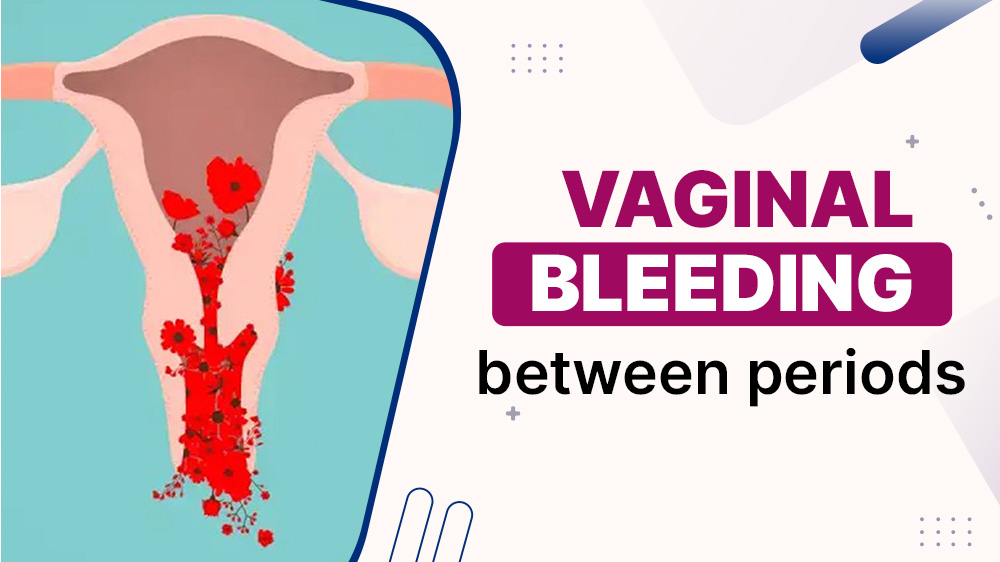
Vaginal Bleeding Between Periods
Many women have experienced the surprise of abnormal vaginal bleeding and aren't so sure what's going on. This is often called intermenstrual bleeding or just spotting.
Menstrual cycles can last anywhere from 21 to 35 days and can last 3 to 7 days of bleeding. When bleeding occurs before the next regular period is expected or occurs irregularly, this is abnormal.
Knowing the causes and symptoms of this condition allows women to take action before it is too late and take control of their reproductive health. In this blog, we will cover what causes vaginal bleeding between periods, symptoms, how to diagnose it, and available treatment methods.
What is Vaginal Bleeding Between Periods?
Vaginal bleeding between periods means any bleeding or spotting that happens outside of your normal monthly bleeding. It can be anything from light pink to brown spotting. It can also be heavier bleeding that mimics an actual period. This is sometimes referred to as intermenstrual bleeding or abnormal vaginal bleeding.
Each month the uterus goes through a process of thickening to prepare for a possible pregnancy. If this does not happen, the lining of the uterus is shed through the vaginal canal. This is bleeding during the normal menstrual cycle. However, if stress or other problems happen, the lining can be shed an additional time.
Is Bleeding Between Periods Normal?
Sometimes spotting can happen and isn't usually a huge reason to panic. Some women get ovulation spotting because it's smack dab in the middle of the cycle, where you have and don't have your period. It happens because of hormonal changes.
Starting birth control can also cause spotting as your body adjusts to it. This can even happen with a new hormonal IUD because your body just needs a month to adapt.
Exercising a lot can mess with hormones and cause spotting. Weight changes can do the same, too. If you're bleeding a lot or it's happening in close succession to your other periods, and you're experiencing pelvic pain or a weird discharge, go to the doctor.
Common Causes of Vaginal Bleeding Between Periods
There are many possible causes of abnormal bleeding between menstrual cycles. Understanding the cause is important to finding the appropriate treatment.
Hormonal Imbalance
Take the First Step Towards Better Women's Health Today
Conditions such as stress and thyroid disorders cause hormonal imbalances which are responsible for irregular bleeding. Estrogen and progesterone are the two main hormones responsible for the menstrual cycle and lining imbalances. Imbalances of these hormones cause shedding of the uterine lining which causes spotting.
Pregnancy Related Causes
Implantation bleeding causes bleeding in the early stages of pregnancy. This is caused by the fertilized egg attaching to the lining. Other causes of bleeding are miscarriages and ectopic pregnancies (which are pregnancies located in the wrong place) which require immediate medical attention.
Cervical or Vaginal Infections
Inflammation and abnormal bleeding can stem from infections of the vagina, cervix, or uterus. Infections can be caused by bacteria, fungi, or sexually transmitted infections (STIs). Symptoms can include burning, itching, pelvic pain, and abnormal discharge.
Uterine Polyps and Fibroids
These benign growths in the uterus can cause heavy bleeding. It can occur during it or between cycles. Negligible these issues may be, a doctor should still be seen, so the right treatment can be recommended.
Endometriosis
Take the First Step Towards Better Women's Health Today
Endometriosis is a condition in which tissue that is similar to the tissue that normally lines the uterus (endometrium) is located outside the uterus. This tissue can cause significant pelvic pain, and can be a reason for periods and bleeding to be irregular.
Certain Medications or Birth Control
Certain surgeries or hormonal birth control, or emergency contraception, can cause sudden and random ends in menstrual cycles and trigger spotting in between periods.
Symptoms Associated With Bleeding Between Periods
The cause of bleeding between periods can vary and is caused by other symptoms. Knowing symptoms can help determine if you should see a gynecologist.
- Some symptoms include:
- Light bleeding between periods
- bleeding post sex
- Lower abdominal or pelvic pain
- Prolonged or Heavy bleeding
- abnormal vaginal discharge
- bleeding or post-bleeding pain and dizziness
Risk Factors That Increase Irregular Bleeding
Some lifestyle things and other things can make it more likely for someone to have abnormal uterine bleeding.
Some of those things are:
- Hormonal disorders like PCOS
- Thyroid problems
- Obesity or sudden weight changes
- Chronic stress
- Use of hormonal birth control
- Perimenopause
Because of the things listed above, women may notice changes to their period or they may spot between periods.
How is Vaginal Bleeding Between Periods Diagnosed?
If bleeding between periods happens more than once, or if there is no obvious reason why it happens, a physician may look to perform several different studies to find a reason for it.
Medical History and Physical Exam
The physician will ask questions about the patient's cycles and when they occur, their past and present medical history, medications being taken, and whether the patient has ever been pregnant.
Pelvic Exam
A pelvic exam allows one to evaluate the reproductive organs and see if there is anything that appears to be inflamed, infected, or abnormal.
Ultrasound
Ultrasound gives a picture of the ovaries and uterus. Fibroids, polyps, and cysts on the ovaries and other problems of the structure can be seen.
Blood Tests
Blood tests can be done to see if there may be a hormone level problem, a problem with the thyroid, a pregnancy, an infection, or anemia.
- Thyroid problems
- Obesity or sudden weight changes
- Chronic stress
- Use of hormonal birth control
- Perimenopause
Because of the things listed above, women may notice changes to their period or they may spot between periods.
Treatment Options for Bleeding Between Periods
The treatment for abnormal bleeding depends on the underlying cause.
Hormonal Medications
Hormonal therapies such as birth control pills or progesterone treatment may help regulate the menstrual cycle and control irregular bleeding.
Antibiotics for Infections
If the bleeding is caused by bacterial or sexually transmitted infections, antibiotics may be prescribed to treat the infection.
Treatment for Fibroids or Polyps
Fibroids or polyps may require medical treatment or minor surgical procedures, depending on their size and the severity of symptoms.
Lifestyle and Hormone Management
Improving lifestyle habits may help regulate hormones and reduce irregular bleeding. Maintaining a healthy weight, managing stress, and eating a balanced diet can support hormonal balance.
When Should You See a Gynecologist?
Sometimes spotting can be serious, but in many cases, it may not be. However, there are certain situations where you should consult a specialist.
You should consult Gynecologist if you experience:
- Frequent bleeding between periods
- Heavy or prolonged bleeding
- Bleeding that occurs during pregnancy
- Severe pelvic pain
- Dizziness or weakness
- Bleeding after menopause
Consulting Dr. Deepika, Best Gynecologist in Jaipur, helps identify the cause early and prevents potential complications in the future. Early diagnosis allows for timely treatment, better management of symptoms, and improved reproductive health. Regular consultations also ensure proper monitoring and guidance, helping women maintain overall well-being and avoid serious health issues.
Conclusion
Take the First Step Towards Better Women's Health Today
Sometimes vaginal bleeding between periods is nothing to worry about. It could be caused by mild things like ovulation. But bleeding that is heavy and continues for a long time is a reason to see a doctor.
This bleeding may be a sign of more serious issues like fibroids, hormonal imbalances, or infections etc. Knowing the signs to watch for will help women get medical help faster.
Consult Dr. Deepika, one of the Best gynecologists in Jaipur as it is necessary to get diagnosed early to help manage your condition and assist in the preservation of your endocrine system for the long run. This is especially true for irregular bleeding, pelvic pain, and other issues.


