
Book Your Consultation
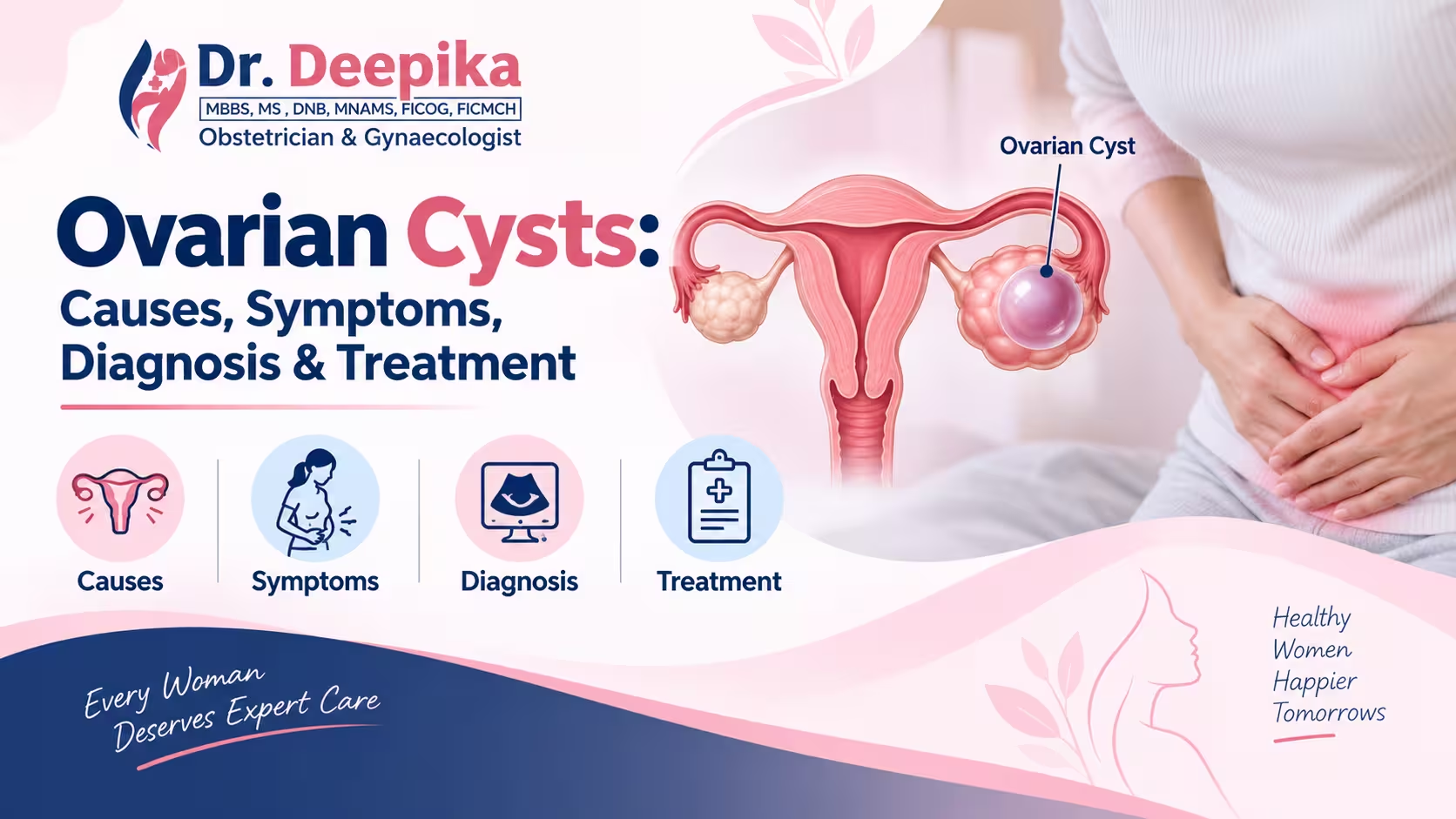
Ovarian Cysts: Causes, Symptoms, Diagnosis & Treatment
An ovarian cyst is a fluid-filled sac that forms on or inside an ovary, and most are harmless and go away on their own within a few months.
What Are Ovarian Cysts?
An ovarian cyst is a fluid-filled sac or pocket that forms on or inside an ovary. Ovarian cysts are common during the reproductive years and may develop as part of the normal menstrual cycle. These are known as functional cysts and often go away on their own within a few weeks without causing any problems.
Some ovarian cysts may develop due to conditions such as endometriosis or polycystic ovary syndrome (PCOS). Depending on their type, size, symptoms, and appearance, these cysts may require monitoring or treatment.
What Causes Ovarian Cysts?
There are many causes of ovarian cysts. These include:
Functional cysts: These cysts form either as a follicle matures or as part of the ovulation process. A follicle matures, releases an egg and then shrinks.
PCOS: This causes unbalanced hormones and results in the ovaries making many small fluid-filled follicles.
Endometriosis: Small endometrial cysts can also form and are similar to endometriomas.
Abnormal Cell Growth: These cysts develop from rapid growth of abnormal ovarian tissue. While most are benign, some may need further testing.
Pregnancy: Some ovarian cysts continue to exist at the beginning of pregnancy and may go away on their own.
Symptoms of Ovarian Cysts
Most ovarian cysts are asymptomatic. There are many different symptoms someone can experience. A few different symptoms include:
- Pelvic or lower abdominal pain
- Growing abdominal fullness
- Pain during sex
- Heavy or prolonged periods
- Inability to fully empty the bowel or urinate
If someone is showing signs or symptoms of ovarian torsion or cyst bursting, they may have severe symptoms with fainting, dizziness, vomiting and pain in the lower pelvis.
How Are Ovarian Cysts Diagnosed?
Based on your symptoms and your history, your doctor may choose to perform additional tests. These could include:
Pelvic examination: This may indicate unusual swelling, tenderness, and pain in the area.
Ultrasound: Yours may show the size, location and appearance of the cyst.
Pregnancy test: This could possibly show if there is a pregnancy and rule it out as a cause of your symptoms.
Blood tests: These may be needed if there are unusual features on the cyst.
MRI or CT scan: These may possibly be done if there is a desire for a more detailed exam.
Ovarian Cyst Treatment Options
Take the First Step Towards Better Women's Health Today
Treatment depends upon the type, size, and appearance of the cyst, along with symptoms, age, and whether the cyst changes over time.
Watchful Waiting
Smaller cysts with mild or no symptoms may be treated with 'watchful waiting' to see if they go away on their own. Your doctor may recommend an ultrasound to check for no change or a smaller cyst in the future.
Ovarian Cyst Medication
There is no one-size-fits-all ovarian cyst medication to treat all cysts. For discomfort, pain medications may be prescribed. Hormonal contraceptives may be used to manage new functional cysts, but will not make an existing cyst go away.
There is no single medication to treat and dissolve ovarian cysts. Do not take medications based only on the name of an ovarian cyst medication found online. The correct treatment will be determined after the type and cause of the cyst is known.
Surgery
Large, persistent cysts that cause significant symptoms, or complex cysts, may be good candidates for surgery. Suspicious cysts that may be cancerous are also good candidates. Sometimes surgery is required for emergencies such as ovarian torsion.
When the conditions are suitable, laparoscopic surgery may be used, as it heals faster due to smaller incisions compared to traditional surgery. If possible, doctors attempt to preserve healthy ovarian tissue and fertility.
What Is Simple Ovarian Cyst Treatment?
Simple ovarian cyst treatment often involves no medical intervention at all, relying instead on regular monitoring since most small cysts disappear on their own. Simple ovarian cysts are usually thin-walled and fluid-filled and are generally benign. Your doctor may recommend follow-up ultrasounds to monitor the cyst and check whether it is shrinking or disappearing.
If the cyst persists, grows larger, or causes significant symptoms, further evaluation or treatment may be recommended based on its size, appearance, and your overall health.
Uterus Cyst Treatment: Is It the Same as Ovarian Cyst Treatment?
It is vital to note that ovarian cysts and uterine cysts are not similar in any way. Ovarian cysts form either in or on the ovaries, whereas any problem concerning the uterus will be caused by other factors.
This means that treatment of uterus cyst will depend on the actual cause of the problem.
When Should You See a Gynecologist?
If you have pelvic pain, abdominal swelling, or changes in your menstrual cycle that are persistent or affecting your daily life, it is important to consult a gynecologist. Dr. Deepika, one of the best gynaecologists in Jaipur, can evaluate your symptoms and help determine whether further tests or treatment are needed. Seek immediate medical attention if you experience sudden or severe pelvic pain accompanied by vomiting, fever, fainting, or dizziness.
Conclusion
Take the First Step Towards Better Women's Health Today
Most ovarian cysts heal on their own. Surgery is only needed for large or complex cysts that do not heal. There are no medicines that dissolve all kinds of ovarian cysts. For this reason, you should not take any medicines on your own.
If you have symptoms such as worsening pelvic pain and changes in your menstrual cycle, see Dr. Deepika, one of the best gynaecologists in Jaipur, for the appropriate diagnosis and treatment.
Frequently Asked Questions About Ovarian Cysts
What are the causes of ovarian cysts?
Ovarian cysts can develop for several reasons. Functional cysts commonly form during the normal menstrual cycle, while other cysts may be associated with conditions such as PCOS or endometriosis. Some cysts can also develop due to abnormal ovarian cell growth or may remain during early pregnancy.
What does an ovarian cyst pain feel like?
Ovarian cyst pain may feel like pelvic or lower abdominal pain, which can range from mild discomfort to more noticeable pain. Some women may also experience pain during sex, abdominal fullness, or pressure. Sudden severe pelvic pain, especially with vomiting, dizziness, or fainting, requires immediate medical attention.
What to do if I have an ovarian cyst?
Take the First Step Towards Better Women's Health Today
If you have an ovarian cyst, the appropriate next step depends on its type, size, appearance, and symptoms. Many small, simple cysts do not require treatment and may disappear on their own, but your doctor may recommend follow-up ultrasound to monitor them. Persistent, growing, complex, or symptomatic cysts may require further evaluation or treatment.
What are the early warning signs of an ovarian cyst?
Many ovarian cysts do not cause noticeable symptoms. When symptoms occur, they may include pelvic or lower abdominal pain, abdominal fullness, pain during sex, heavy or prolonged periods, or difficulty fully emptying the bowel or bladder. Sudden severe pain with vomiting, fever, fainting, or dizziness can indicate a complication and needs urgent medical attention.
At what age do ovarian cysts start?
Ovarian cysts are most common during the reproductive years, particularly when the ovaries are actively releasing eggs as part of the menstrual cycle. Functional cysts can develop during normal ovulation. The possibility and type of cyst can vary depending on age and whether a woman is still having menstrual periods.
How do I confirm if I have an ovarian cyst?
An ovarian cyst is usually confirmed through medical evaluation and imaging, particularly a pelvic ultrasound. Depending on your symptoms and medical history, your doctor may also recommend a pregnancy test, blood tests, or additional imaging such as an MRI or CT scan. The evaluation helps determine the cyst's size, location, and appearance and whether further monitoring or treatment is needed.


