
Book Your Consultation
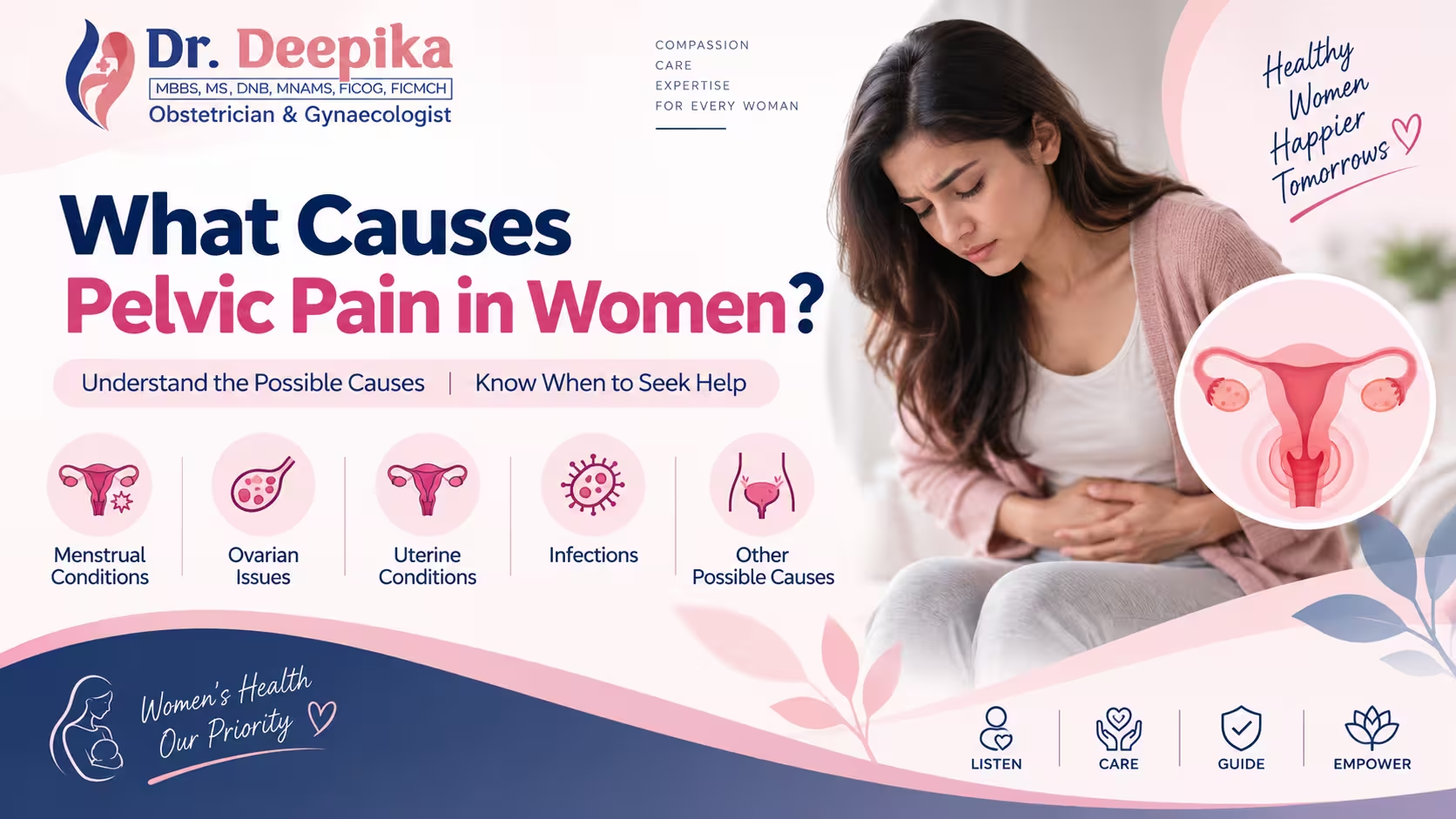
What Causes Pelvic Pain in Women?
Pelvic pain in females is caused by issues in the reproductive, urinary, or digestive organs, as well as the pelvic muscles and nerves.
Where Is Pelvic Pain Located in Women?
The pelvic pain area in female anatomy is defined as the lower abdomen, or the area below the belly button that is located between the hip bones. Pain can also spread to the vagina, uterus, ovaries, bladder and lower back.
Female where is pelvic pain located? Symptoms can manifest anywhere along the back and front of the pelvis and spread to the thighs and lower abdomen. The nature of the pain can itself give valuable diagnostic information on possible causes.
What Causes Pelvic Pain in Women?
Some potential pelvic pain causes for females include:
Menstrual Cramps
Menstrual pelvic pain generally occurs due to uterine contractions during menstruation, although in some cases it may extend to the lower back or the thighs and may even present with a dull aching pain. Menstrual cramp pain is usually less severe when it is not accompanied by other symptoms.
Ovulation Pain
Pain may occur on one side of the lower abdomen and may be felt during the middle of the menstrual cycle. There is usually mild discomfort or pressure, but in more severe cases, pain may occur.
Ovarian Cysts
The majority of ovarian cysts do not cause pain; however, some may cause pressure or pelvic discomfort. Ovarian cysts most often cause severe pain if they rupture and may also cause ovarian torsion. This may require immediate medical attention.
Endometriosis
Endometriosis is a condition whereby endometrial tissue develops outside of the uterus. Some common symptoms include chronic pelvic pain before, during and after menstruation, painful intercourse, painful bowel movements and even difficulty becoming pregnant.
Pelvic Inflammatory Disease
Pelvic inflammatory disease is an infection of the female reproductive tract that is typically caused by sexually transmitted infections. It is characterized by lower abdominal pain and/or pelvic pain, discharge of an abnormal nature, fever, painful sexual intercourse and bleeding that is irregular.
Urinary Tract Infections
Pain is often experienced in the lower pelvic region. Burning and painful urination, urinating frequently and having a constant urge to urinate are also symptoms of a urinary tract infection.
Uterine Fibroids
Fibroids are benign growths that appear on the uterus and may result in pelvic pressure or pain as well as feelings of pressure and fullness in the lower abdomen and heavy menstrual bleeding.
Digestive Problems
Constipation, digestive issues, and irritable bowel syndrome can cause pelvic pain as well as bloating and abdominal discomfort with changes in bowel movements.
Types of Pelvic Pain
Pelvic pain is categorized based on duration and the pattern of development.
- Acute pelvic pain is rapid and may require urgent care.
- Chronic pelvic pain happens over several months or recurs.
- Cyclic pelvic pain occurs in a pattern during a woman's menstrual cycle
The pain may be dull, aching, sharp, cramping, burning or may feel like pressure.
When Should You See a Gynecologist?
Take the First Step Towards Better Women's Health Today
It’s possible that mild pelvic pain might not be a serious condition. But you should seek a gynecologist’s help if you experience pain that is chronic or constant, or pain that has gotten worse over time and that affects your daily activity.
Go to the hospital immediately if there is a lot of pelvic pain and you have any of the following:
- Sudden extreme pelvic pain
- Sudden heavy or abnormal vaginal bleeding
- Fever
- Chills
- Smelly vaginal discharge
- Pelvic pain or burning when urinating
- Very severe vomiting
- Fainting
- Pelvic pain during pregnancy
You should seek immediate care if you think you have an infection or some other condition that is not normal.
How Is Pelvic Pain Diagnosed?
A gynecologist will most likely begin by asking about symptoms, your menstrual cycle and your medical history. They will also ask you to describe the pain and its location. Some possible diagnostic steps may be:
- Pelvic exam
- Ordering a urine test and/or a blood test
- A pregnancy test (if necessary)
- Pelvic ultrasound, or transvaginal ultrasound
- Additional imaging or other special tests, if necessary
Most types of medical conditions that affect women require a different treatment or approach. Finding the underlying cause and diagnosis is very important.
Conclusion
Women experience pelvic pain from several causes that range from menstrual cramps to problems with their digestion. These can include periods with severe menstrual cramps, pain caused by ovulation, ovarian cysts, endometriosis, infection, fibroids or digestive system issues. While there are going to be periods of painful conditions, persistent, frequent or severe pain should be evaluated.
There are many potential causes of pelvic pain, and it can take a professional to determine the cause. If pelvic pain recurs without an explanation, you should consult Dr. Deepika, one of the best gynecologists in Jaipur, for diagnosis and treatment.


